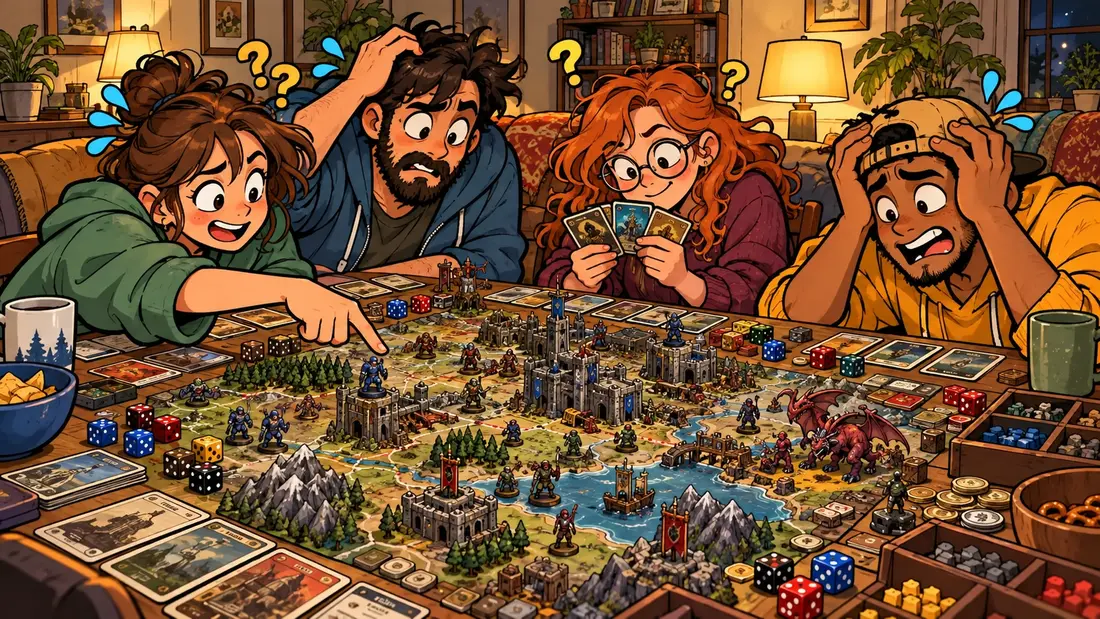
Family board games have one job: keep everyone at the table. Not just the competitive adult who reads strategy guides, and not just the eight-year-old who wants to knock pieces over. Everyone, at the same time, for the whole game. That's a harder brief than it sounds, and most games fail it quietly. They're either too simple to hold adult attention past the second round, or complex enough that the youngest player spends most of the game waiting for someone to explain what just happened.
The games that crack that problem are worth talking about, because they don't all do it the same way.
Chaos as a leveler
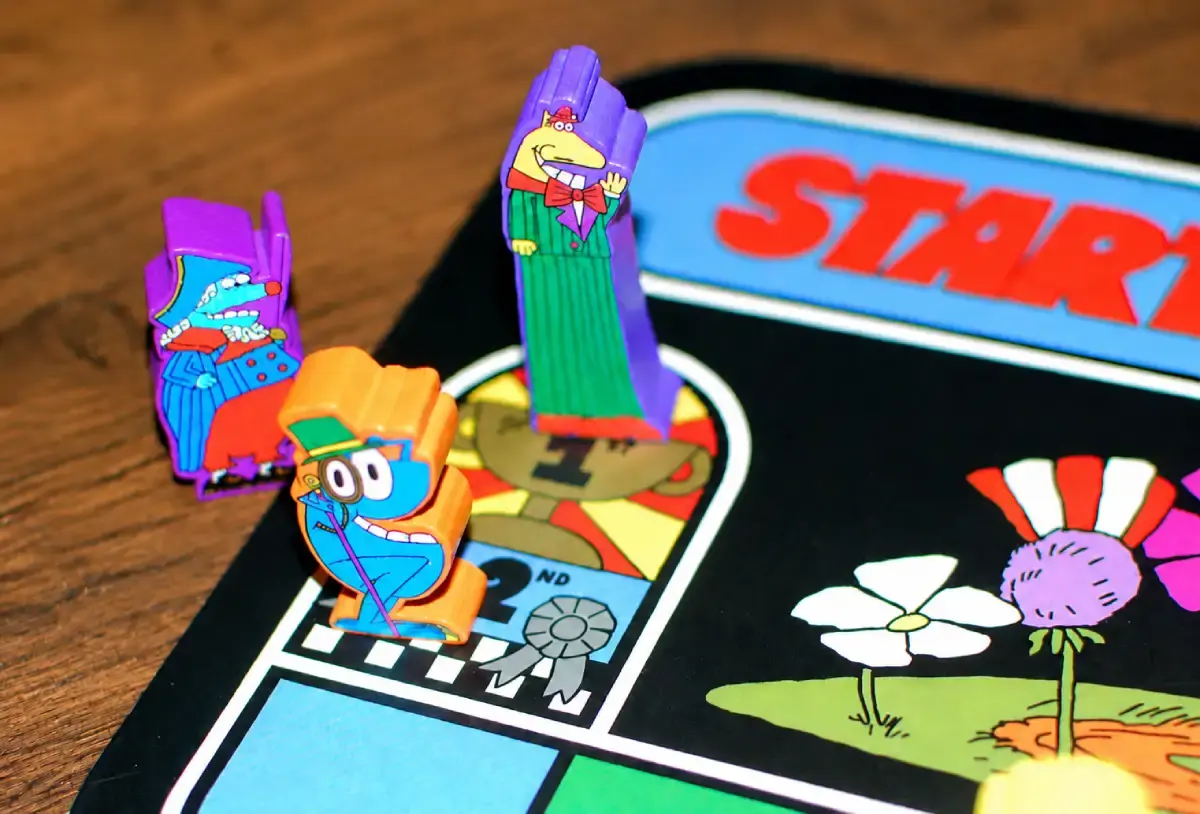
Some of the best family board games work precisely because they refuse to reward experience. A racing game like Magical Athlete is a good example. Every racer has a special ability that can rewrite the standings in a single turn: teleport past the finish line, swap places with the leader, force everyone ahead of you to move backward. The person in last place three turns from the end has won this game before. The person who's been ahead for the entire race has lost it.
Kids handle that kind of volatility better than adults do, which is either the game's best feature or its most infuriating one depending on who's sitting across from you.
That's not a design flaw. It's a deliberate choice to keep the outcome genuinely open until it isn't, and it's one of the reasons games like this keep getting pulled off the shelf. Nobody checks out when they still have a chance.
When imagination does the work
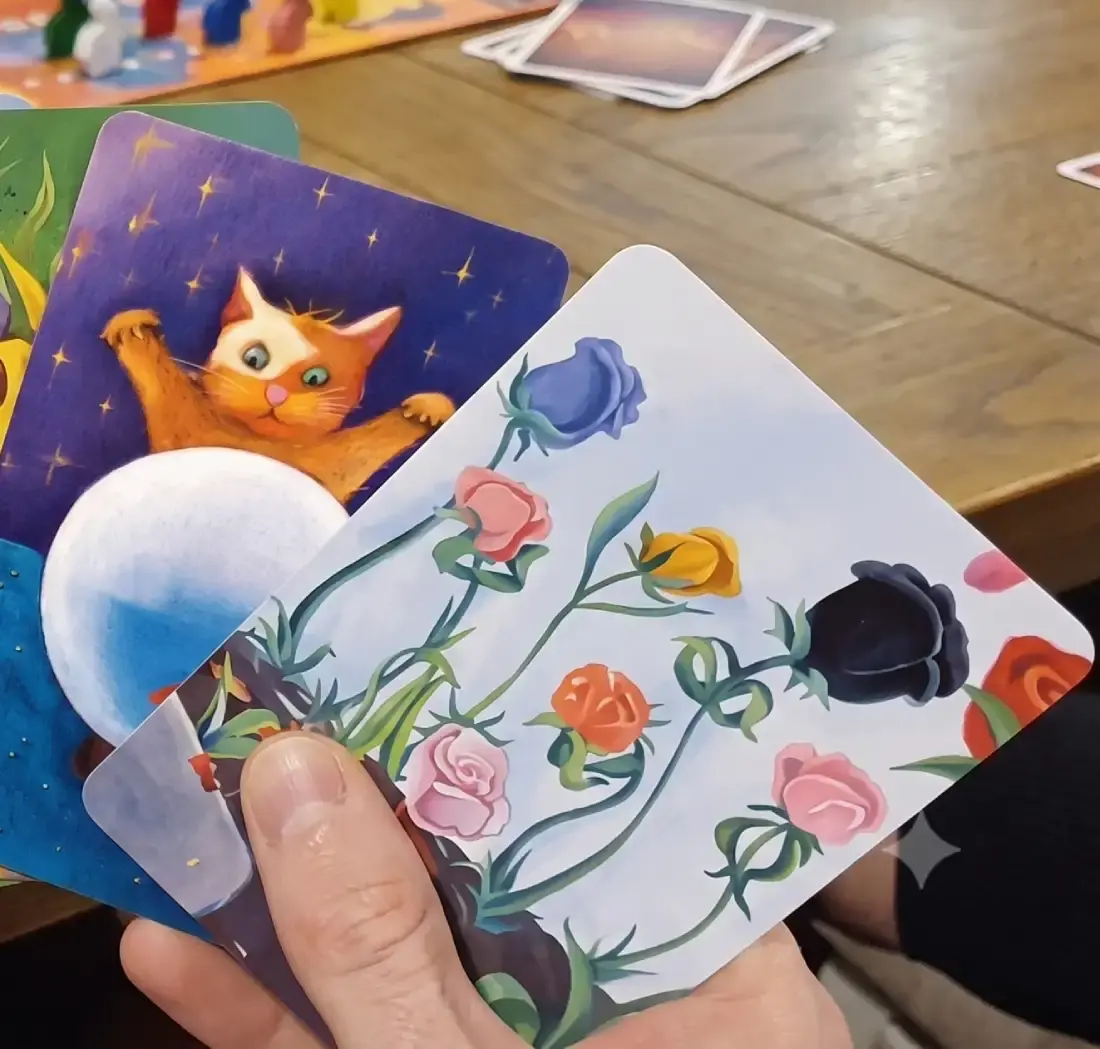
Not every family game earns its place through chaos. Dixit takes the opposite approach. It's a game about communication and interpretation, where you're describing a card from your hand with a word, a sound, a phrase, anything you want, and the goal is to be just ambiguous enough. Too obvious and everyone guesses correctly; too cryptic and nobody does. Either way you score nothing.
What makes it work across age groups is that the skill it rewards has nothing to do with experience or strategy. It rewards knowing how the people across from you think. A ten-year-old who's been watching the adults at the table all evening will beat a competitive adult playing too literally every single time.
The dreamlike artwork helps: strange, open-ended illustrations that don't force an interpretation, just invite one. It's one of those rare family friendly board games where the gap between the youngest and oldest player effectively disappears, not because the game dumbs itself down, but because it's measuring something that doesn't correlate with age.
Games that reward coming back
The best family game nights aren't one-off events. They're habits. And habits require games that don't wear out after the third play. That's a higher bar than it sounds, and it's where a lot of otherwise solid games fall short.
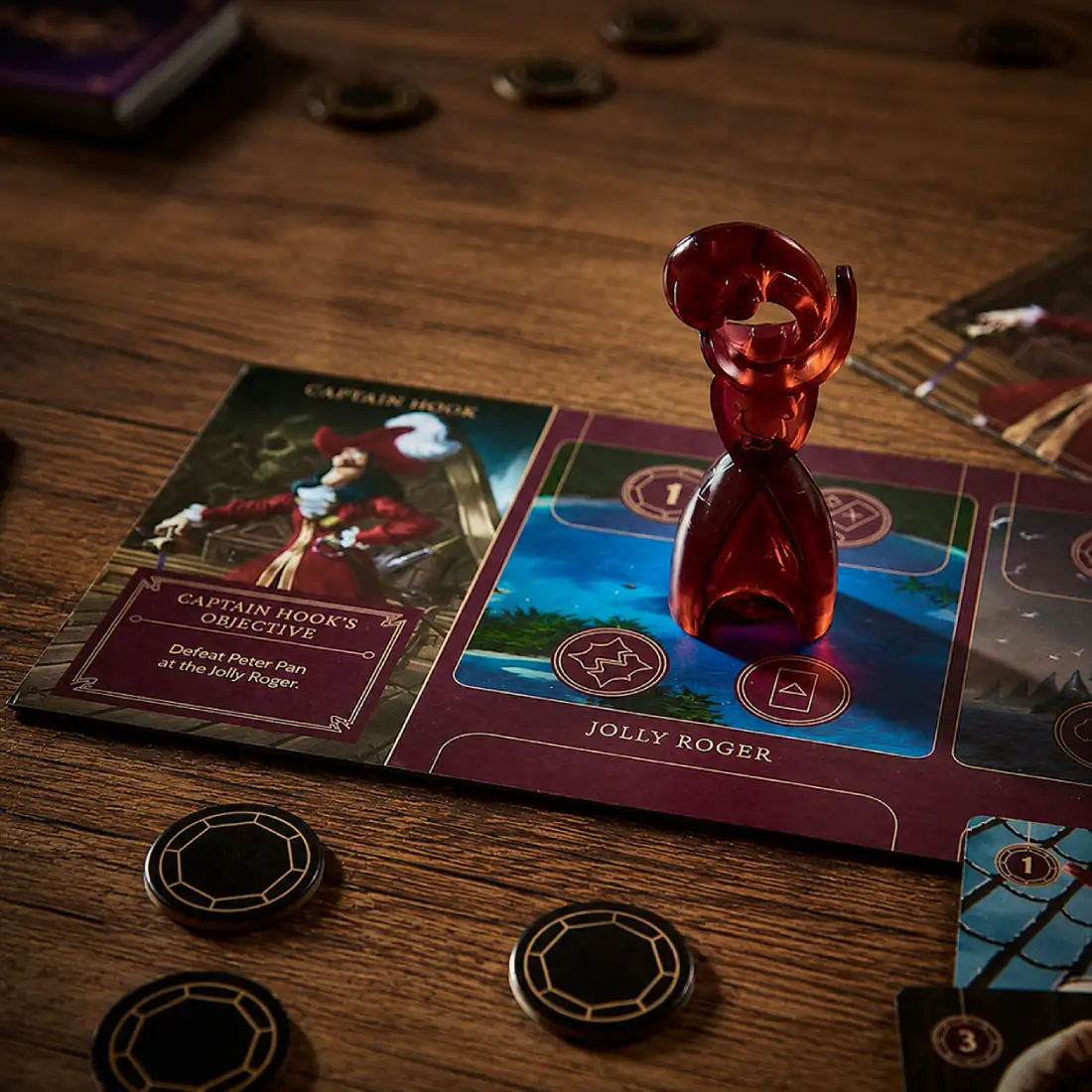
Disney Villainous clears it by giving every player a completely different game to play. Each villain has their own board, their own deck, their own win condition, and their own logic. Maleficent is trying to curse the entire kingdom. Ursula is trying to recover her stolen contract. They don't interact with the game the same way, which means mastering one character doesn't make you good at another.
The first session is spent mostly figuring out your own puzzle. The second session is when the interference starts. By the third, people are building actual strategies around disrupting each other, and the game opens up in a way it couldn't on night one.
That's exactly what fun family board games should do: get better as the people playing them get better.
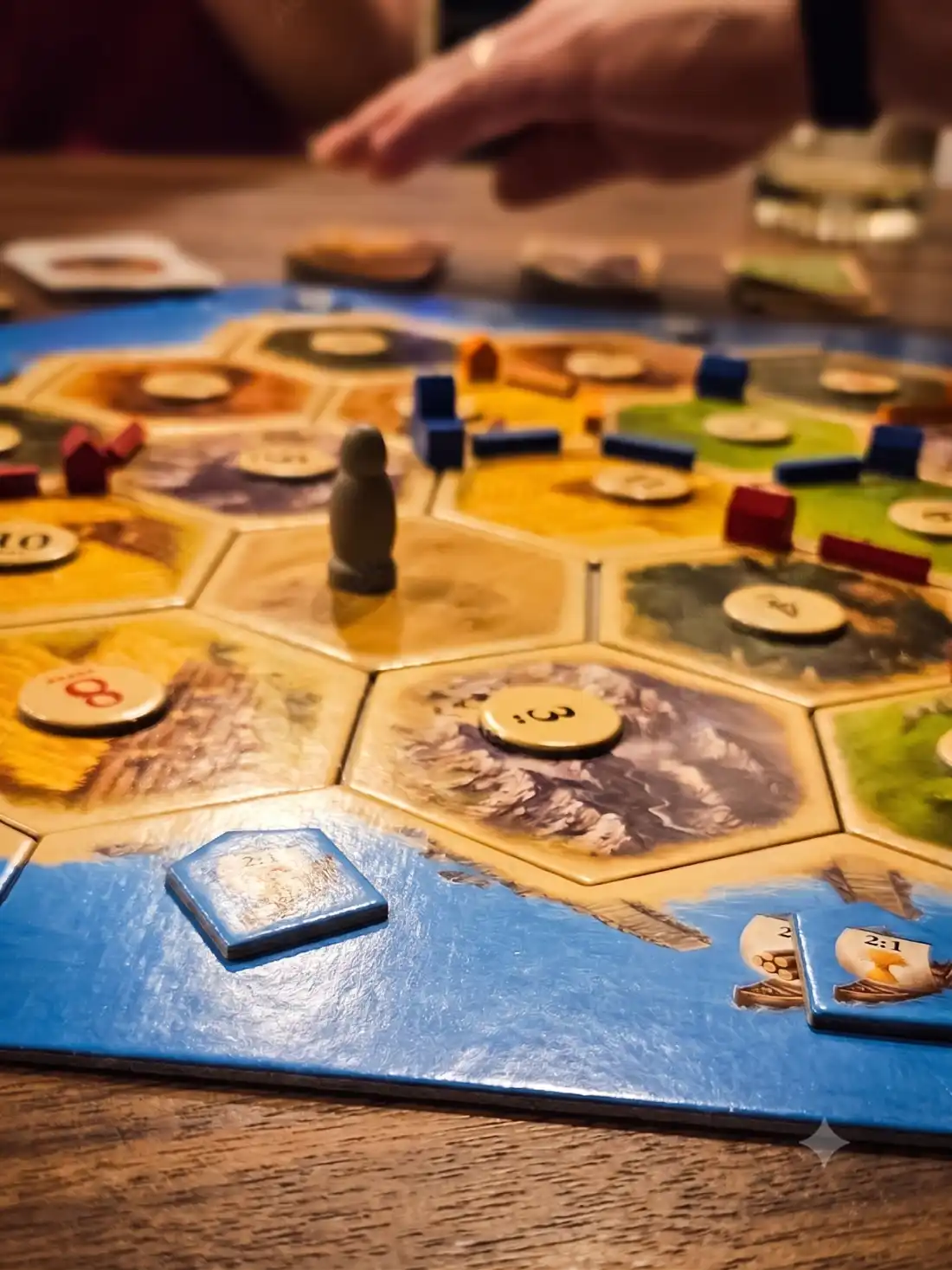
Catan earns its reputation differently. The board changes every game, the resource distribution shifts, and the entire middle section is built on negotiation that never resolves the same way twice.
It's not the deepest game on the shelf. Anyone who tells you it rewards genius-level strategy is romanticizing it. But it's one of the few games where the social dynamics at the table become part of the game itself: who trades with whom, who holds a grudge from last round, who's been quietly building toward a port nobody else noticed.
A family that's played it five times is playing a fundamentally different game than one playing it for the first time, and that gap has nothing to do with age.
What actually makes a family game work
There's a version of this question that gets answered with bullet points about play time and player count, and that version is correct but not very useful. The honest answer is that a good family game works when everyone at the table has a real reason to care about what happens next.
Not because the rulebook forces them to pay attention, but because something is actually at stake for them personally.
That looks different depending on the game. In Magical Athlete it's the standing that can flip any turn. In Dixit it's the read you've been building on the person across from you. In Villainous it's the win condition you're three moves from completing. In Catan it's the trade you need and the question of whether anyone will give it to you.
There's also a separate question that comes up a lot: what about board games for families where the kids are older, or where adults are the primary audience and the younger players are along for the ride? Family board games for adults exist in a slightly different register.
Catan and Villainous both sit comfortably there. The decisions are real, the social layer is genuinely interesting, and nobody feels like they're playing a children's game. That's a harder balance to strike than it looks, and it's worth knowing which games actually manage it before you show up to a game night with the wrong box.
The games worth recommending for families are the ones where an eight-year-old and a forty-year-old are both leaning forward in the last round, for completely different reasons, both convinced they might actually win. That's not easy to design. The games that manage it tend to stick around.
If the group skews younger and you need something with a lower age floor, the kids games category covers that end of the spectrum.
For evenings where the energy is higher and the group is bigger, party games are built for exactly that.
What to look for in a family board game:
Teaches in under ten minutes, even to a mixed-age group
Plays in 30 to 90 minutes without anyone losing interest
Gives every player real decisions, not just dice rolls