The alpha player problem and why it matters
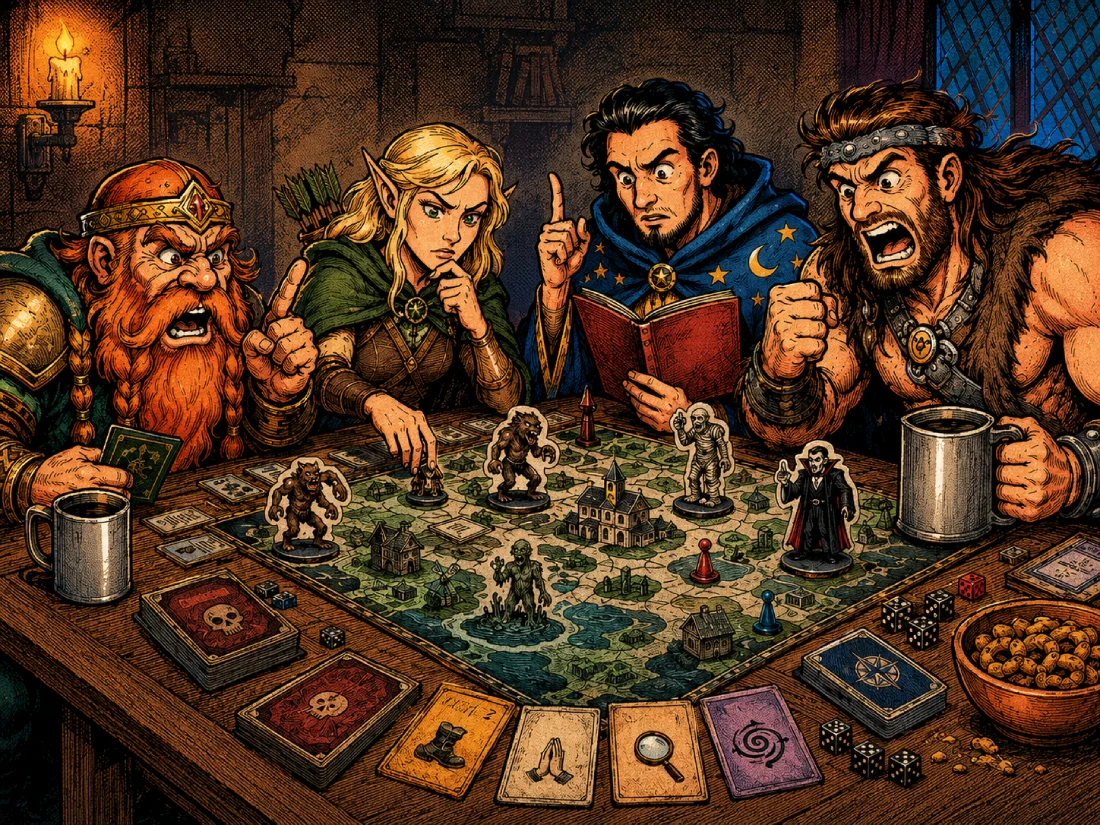
Anyone who's played enough co-op board games has met the alpha player: the person who figures out the optimal move for every player on every turn and just announces it. If everyone follows along, you're not really playing a cooperative game anymore. You're watching one person solve a puzzle while the others nod. The best cooperative games are designed to make that impossible, or at least expensive. Bomb Busters handles it through information asymmetry. Each player holds cards only they can see, which means nobody has the full picture and nobody can make decisions for anyone else without losing something in the translation. The person who wants to run the table has to trust other players to interpret their own information correctly, which is its own kind of uncomfortable. It's a tighter, more anxious design than most co-op games, and it works precisely because it removes the safety net of one person knowing everything.When the game hits back
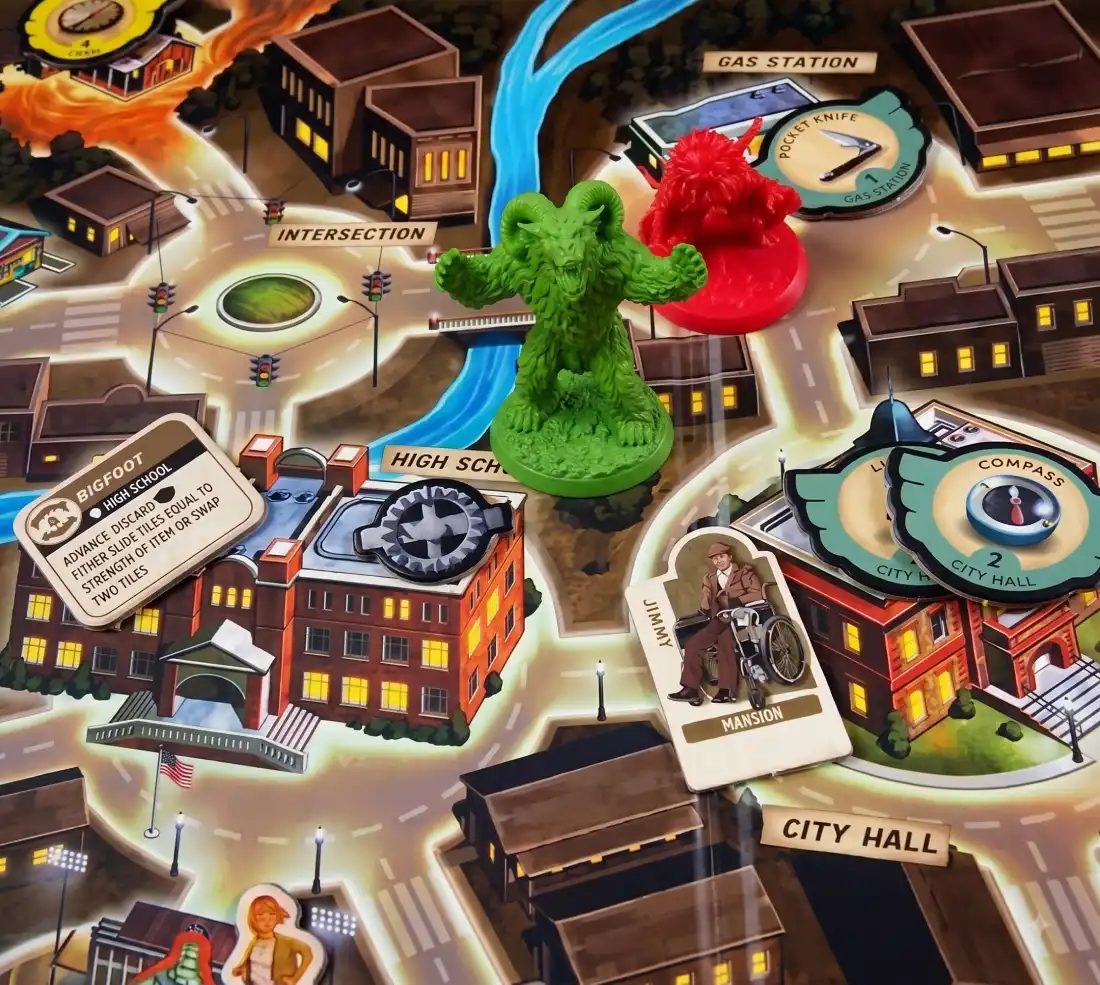
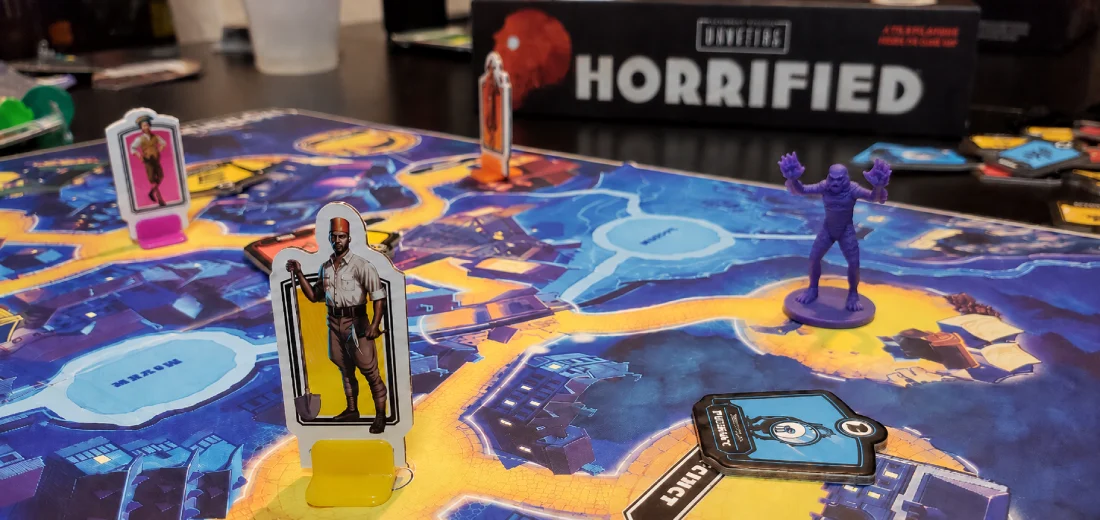
The other thing that separates good cooperative board games from forgettable ones is how the game itself pushes back. A co-op game with a passive threat isn't really a game; it's a group puzzle with a timer. The best ones make you feel like the game is actively trying to beat you. Horrified does this by running multiple monsters simultaneously, each with their own movement logic and their own win condition for the players to resolve. You might be two turns from defeating the Wolfman when Dracula starts closing in from the other side of the board, and the Creature from the Black Lagoon is doing something you haven't had time to deal with yet. The game doesn't wait. The pressure compounds in a way that forces real-time negotiation about priorities, and getting it wrong feels earned rather than arbitrary. That's what the best co-op board games for adults tend to get right: the loss has to feel like your fault, not the game's.Cooperative games that actually teach teamwork
There's a version of cooperative gaming that's less about pressure and more about process. The Loop is built around a time travel mechanic where the players are trying to stop a rogue AI from completing iterations of a loop, and the way the game escalates means every round gets measurably harder than the last. The catch is that the actions players take to fight back also feed the loop, so every decision has a cost you have to account for collectively. What makes it interesting as a team board game is that it requires genuine division of labor. Different players will specialize in different responses, and coordinating those responses across a tightening timeline is the actual game. It's one of the few designs where talking through your turn out loud before you take it is not only allowed but necessary. If that kind of systems-heavy thinking appeals to you outside the co-op format, the strategy games category is worth a look.What cooperative board games for families get right
The format also travels well to mixed-age tables, and better than competitive games in some ways. When everyone is working toward the same goal, the experience gap between a ten-year-old and an adult matters less. The kid who spots something the adults missed becomes an asset rather than a liability, and losing together tends to sting less than losing to someone sitting across from you. Horrified in particular lands well with families: the Universal Monsters theme is recognizable without being frightening, the difficulty scales cleanly, and the multiple monster format means there's always something for everyone to focus on. It's one of the more reliable answers to the question of best cooperative board games that work across a wide age range. If you're building a mixed-age game shelf more broadly, the family board games category covers the competitive side of that same problem. The format isn't for every group. Some people find that removing direct competition removes the tension, and without tension there's no real game. If that sounds like your crowd, the party games category is probably a better fit. But for the groups it clicks with, cooperative gaming tends to become a habit. Losing together is oddly more fun than it has any right to be. What to look for in a cooperative board game:- A threat system that actively escalates, not just a passive timer
- Information or role asymmetry that prevents one player from running the table
- Failure states that feel like the group's fault, not the game's
- Scales in difficulty so the same group can grow with it
- Plays in under 90 minutes before decision fatigue sets in