Loading…
Every Type of Board Game, Organized for Every Group
From deep strategy to wild party games — find the right board game for any group, mood, or occasion.
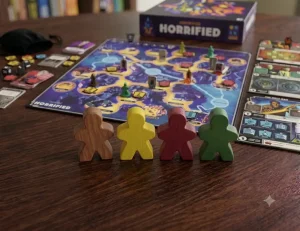
Cooperative
Most board games put you against the people sitting next to you. Cooperative board games flip that entirely. Everyone wins together or everyone loses together, and the game itself is the opponent. Tha
6 gamesBrowse →
Popular:
Horrified: American Monsters – A Deep Dive Into American Folklore and Cooperative FearSky TeamHorrified Universal Monsters
Family
Family board games have one job: keep everyone at the table. Not just the competitive adult who reads strategy guides, and not just the eight-year-old who wants to knock pieces over. Everyone, at the
10 gamesBrowse →
Popular:
Flip 7 board game review: The 18-Player Promise Nobody Actually Cashes InCandy LandSea Salt and Paper
Kids
Kids board games have a reputation problem. Most of what gets marketed as children's games is either so simple it insults everyone at the table or so focused on being educational that nobody actually
3 gamesBrowse →
Popular:
Flip 7 board game review: The 18-Player Promise Nobody Actually Cashes InCandy LandMagical Athlete
Party
Party board games live or die by one thing: the room. A game that works brilliantly with six close friends who like to argue will fall completely flat with ten coworkers who just met at a company retr
9 gamesBrowse →
Popular:
Secret Hitler board game reviewFlip 7 board game review: The 18-Player Promise Nobody Actually Cashes InBears vs Babies
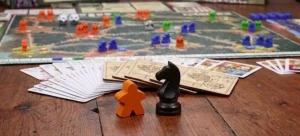
Strategy
Strategy board games have a reputation for being inaccessible, and a lot of them earn it. Rulebooks that read like legal documents, setup times that eat into the evening, and a first session that func
27 gamesBrowse →
Popular:
Secret Hitler board game reviewHorrified: American Monsters – A Deep Dive Into American Folklore and Cooperative FearWingspan Board Game Review
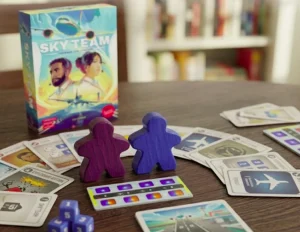
Two player
The Best Two Player Board Games for Every Kind of Evening Two player board games are a different animal. There's nowhere to hide, no third person to absorb the tension, no team to dilute the outcome.
8 gamesBrowse →
Popular:
Sky TeamSea Salt and PaperHorrified Universal Monsters
Not every game suits every night. A three-hour strategy epic is the wrong answer when six people show up unannounced on a Friday. A ten-minute party game is the wrong answer when two people want something they can actually think about. The category you pick matters as much as the game itself, and getting it wrong wastes an evening.
The six categories here cover the full range of what board gaming actually looks like in practice: the chaotic family nights, the focused head-to-head sessions, the groups that want to work together instead of against each other, and everything in between.
Best Board Games for Families and Kids
If you’re buying for a mixed group with different ages and experience levels, family games is the right place. These are games that don’t require anyone to be a hobbyist to enjoy them, where a ten-year-old and a forty-year-old are genuinely competing on the same terms. The age range on the box usually means something.
For younger players who need something with a lower floor, kids games covers games built specifically for that bracket. Not dumbed-down versions of adult games, but designs where the mechanics actually match how children engage with play.
Party and Cooperative Games for Groups
Party games exist for exactly one situation: a room full of people who want to have a good time and don’t want to spend twenty minutes learning rules first. The best ones teach in five minutes and produce stories people reference for weeks. The worst ones feel like team-building exercises. The difference is usually obvious within the first round.
For large groups that want something with more structure and staying power, cooperative games put everyone on the same side. The game is the opponent. Losing together is oddly more fun than it sounds, and the format tends to generate genuine collaboration rather than the performance of it.
Two Player Board Games for Head-to-Head Play
Two-player games are their own category for a reason. The dynamic at two is completely different from any group format: nowhere to hide, no chaos to absorb mistakes, every decision visible to exactly one person who is paying close attention. The best games in this category are designed for that intimacy rather than just scaled down from six.
Strategy Board Games for Deeper Play
Strategy games reward the investment. Longer sessions, more complex decisions, and the kind of replayability that comes from a game that opens up rather than wears out. Not the right starting point for everyone, but for the players who want more than luck and chaos, this is where the most interesting designs tend to live.
Frequently Asked Questions
What is the best board game category for beginners?
Family games are the most reliable starting point. They’re designed to be taught quickly, play well across different experience levels, and don’t require any prior knowledge of board gaming to enjoy. Catan, Dixit, and Magical Athlete are all good first games for someone who hasn’t played much beyond classics.
What board game category is best for large groups?
Party games are built for exactly that. Most play six or more people, teach in under five minutes, and keep everyone engaged even when it isn’t their turn. If the group is bigger and wants something with more structure, cooperative games scale well and give everyone a role without requiring anyone to be an expert.
Are two-player board games worth buying if you also play with groups?
Only if you know the game was designed primarily for two. Many games that claim to support two players are noticeably worse at that count. If you play mostly in groups, you’re better off choosing games from the family, party, or strategy categories that are designed for three or more and occasionally play down to two.
What’s the difference between family games and kids games?
Age range, mostly. Kids games are designed for children under ten, with mechanics that match how younger players actually engage with play: simple rules, short turns, and outcomes that don’t require reading the table. Family games assume a mixed group where adults are genuinely playing, not just supervising. The floor is higher but so is the ceiling.
How do I know if a strategy game is too complex for my group?
If your group regularly finishes family games and wants something with more decisions and longer play time, a medium-weight strategy game is usually the right next step.
The jump is smaller than it looks. If people are still learning the basics of turn structure and card play, stay in the family category for now and revisit strategy once those fundamentals are comfortable.